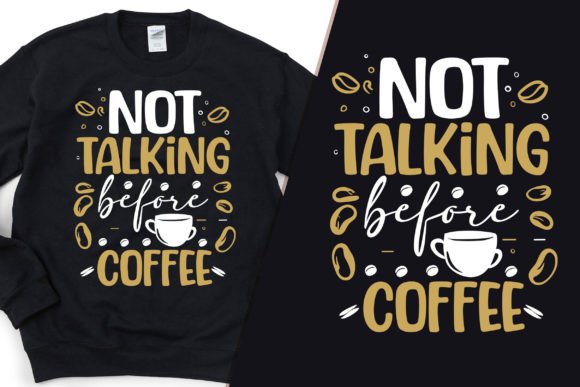
A Designer’s Review of Not Talking Before Coffee
The Immediate Appeal of This Stylish T-Shirt Graphic
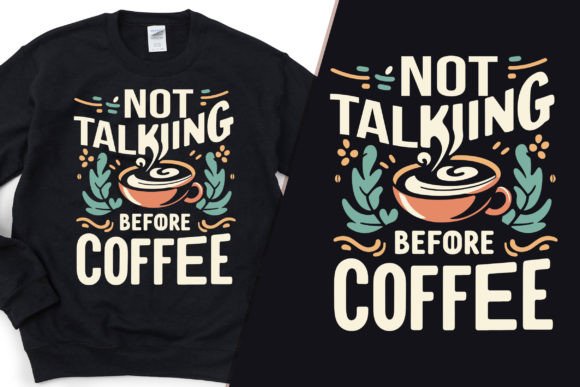
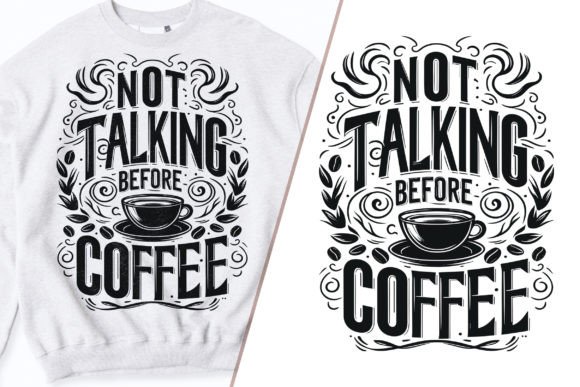
When I first opened the Not Talking Before Coffee embroidery design, the immediate impression was one of playful personality. This isn’t just text; it’s a graphic with a clear mood. The layout feels casual yet stylish, with a sense of relatable humor that instantly creates a connection. For anyone in the craft business, that’s a golden starting point. The theme is universal—a morning sentiment shared by many—but presented with a visual flair that elevates it beyond a simple phrase. It feels like a design destined for a cozy sweatshirt or a favorite tote bag, something that speaks directly to the wearer’s state of mind.
Where This Design Naturally Belongs
In practice, this design screams for application on relaxed, personal items. I pictured it immediately on a soft, washed cotton sweatshirt for a boutique, or as a standout feature on a canvas apron for a coffee shop. Its personality is perfect for custom apparel meant as a personalized gift—think a holiday present for the coffee lover in your life. The graphic nature means it would also translate beautifully into an embroidered patch, offering flexibility. A maker could stitch it onto a baby’s blanket as a fun gift for new parents, or onto a kitchen towel for a touch of humor in the home. For Etsy sellers and small shop owners, this design fits squarely into the niche of relatable, everyday luxury.
Considering Real Embroidery Performance
Moving from concept to machine, let’s think about real embroidery project execution. The design’s styling, likely using elements of satin stitch for bold areas and running stitch for detail, will need careful planning. On a standard cotton tee, it should stitch out cleanly with proper stabilizer. However, the true test comes with fabric choice.
For a sweatshirt embroidery project, the thicker fabric provides a wonderful base, but stitch density must be appropriate to avoid a stiff, board-like feel. On thinner fabrics like a classic tee, you’ll need to be mindful of puckering—a lightweight cutaway stabilizer would be my recommendation here. The design’s visual clarity is key; you want the stylish lettering and any decorative accents to pop with crisp thread colors.
A Real-Life Scenario: The Boutique Tote Bag
Imagine you’re preparing a batch of canvas tote bags for your spring market stall. You want something conversation-starting, high-quality, and giftable. The Not Talking Before Coffee design is a prime candidate. Stitched in a rich brown or charcoal thread on a natural canvas bag, it becomes a functional, witty accessory. From a customer’s perspective, it feels handmade but professional, boosting product value and customer trust. It’s specific enough to be memorable, reinforcing your shop’s brand consistency if you specialize in humorous or lifestyle items. This is where a design transitions from a digital file to a tangible product that engages a buyer.
Caution Areas and Designer Notes
Not every project is ideal. This design, given its likely composition, should be used carefully on very small hoop sizes. Tiny details might lose definition if scaled down excessively for a cap or a baby item’s small panel. Textured fabrics like certain linens or stretchy fabric like performance polos can distort the clean lines. Embroidering on dark fabric requires thoughtful thread choice—a pale cream or light grey might not provide enough contrast, so planning a mock-up in darker tones is essential.
For items needing frequent washing, like kitchen towels or baby clothes, ensure your stitch coverage is secure but not overly dense to maintain fabric flexibility and durability. Always test the design on scrap fabric first using the same material and stabilizer as your final project. This is non-negotiable. Check thread color contrast thoroughly; sometimes a digital preview looks perfect, but the stitched result on your specific background fabric can be underwhelming.
Practical Steps Before Your First Stitch
- Review stitch density in your software viewer to gauge if adjustments are needed for your chosen fabric.
- Confirm hoop size compatibility—does the design fit comfortably in your standard hoop for the item you’re making?
- Inspect small details in the design file—are there tiny corners or delicate accents that might require a finer needle or slower stitch speed?
- Test it in black and white mockups to see how it holds up without color, which helps assess its fundamental shape and balance.
- Compare light and dark fabric backgrounds digitally, or by stitching small samples, to finalize your thread palette.
- Always use proper stabilizer for the fabric; this is the foundation of a clean finish.
- Critically, check whether the design works for both personal and commercial projects and confirm licensing before selling finished items. The product description mentions it’s part of a collection for T-shirt designs, but licensing specifics are paramount for digital embroidery file use in a craft business.
The Final Impact on Your Product and Business
Ultimately, using the Not Talking Before Coffee Stylish Tshirt design is about leveraging its strong visual personality to create products with authentic appeal. For the creative entrepreneur, it adds a layer of professionalism to your work—a well-executed, stylish embroidery speaks volumes about your attention to detail. It enhances giftability; people love giving items that feel personal and witty. For your Etsy listings or craft fair table, it creates immediate recognition and can become a signature item.
As a designer reviewing this for real use, I see its core strength: it’s a relatable graphic with commercial potential that, when embroidered with care on the right product, becomes more than just a design. It becomes a story on fabric, a product someone chooses because it feels like it was made for them. That’s the practical goal of any embroidery design—to transition seamlessly from a digital asset to a cherished finished product. This one, with its clear mood and stylish execution, has the foundation to do exactly that.