Beyond the Mockup: Evaluating a Retro Christmas Design for Real Embroidery
First Impressions: The Mood and Where It Belongs
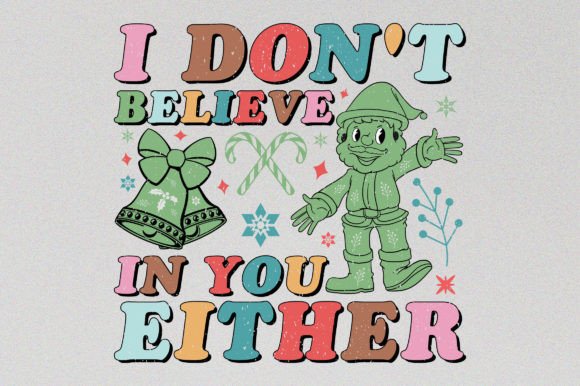
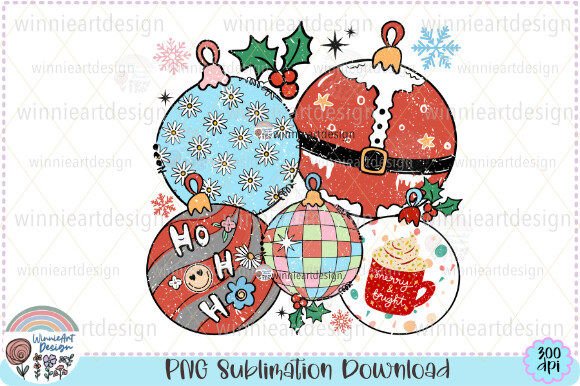
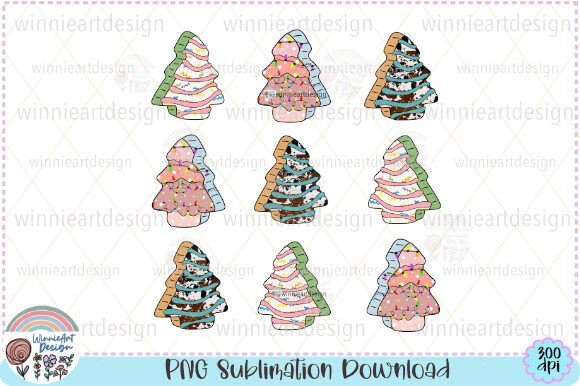
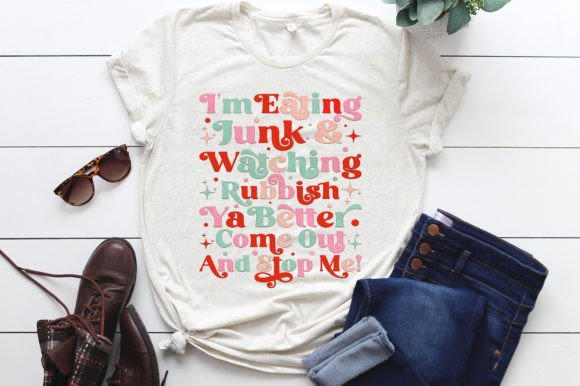
When I first saw the Retro Christmas Shirt Designs, my mind immediately went to texture and warmth. The vintage aesthetic isn't just a graphic style; it’s a specific mood. It evokes nostalgia, comfort, and a less polished, more handmade holiday feeling. This isn’t a slick, corporate holiday logo. The personality feels friendly and approachable, perfect for projects where the charm of the craft itself is part of the appeal. From a practical embroidery standpoint, this suggests it belongs on items that carry that same cozy, personal vibe.
I pictured this design stitched onto a heavyweight cotton sweatshirt or a canvas tote bag immediately. The theme lends itself beautifully to custom apparel meant for leisurely holiday gatherings or as a personalized gift for someone who appreciates classic charm. It would also shine on a kitchen apron or a pillow cover, adding that festive touch to home goods. For craft business owners, this is a strong contender for holiday embroidery lines in small shops or Etsy listings focusing on handmade, unique merchandise.
Thinking Through a Real Project: The Embroidered Tote Bag Scenario
Let’s walk through a real scenario. Imagine you’re preparing a batch of embroidered tote bags for a holiday craft fair. You’ve chosen a natural canvas fabric. You pull up the Retro Christmas Shirt Designs file on your machine. Your first practical consideration isn't the design itself, but how it will translate into stitches.
The details in the artwork will dictate your stitch density and thread choices. Are the lines clean and distinct? Areas with very fine detail or tiny text in the design could become challenging in machine embroidery, potentially requiring a simplified approach or a larger hoop size to maintain clarity. Without knowing the exact stitch count or file compatibility, a critical step here is always to test the design on scrap fabric first. Use a similar canvas scrap to see how the fills and outlines behave.
You'd also be thinking about thread color contrast. A vintage palette often uses muted or tonal colors. On light fabric, this can look beautiful and subtle. But if you’re considering stitching this on a dark fabric like a navy sweatshirt, you need to review if the design has enough visual weight and if the suggested colors will pop sufficiently or need adjustment. This is where checking it in a black and white mockup, or simply imagining it reversed, helps gauge its versatility.
Where This Design Should Be Used with Care
While the retro theme is versatile, some applications require extra attention. Any design with intricate corners or dense decorative accents can be tricky on curved surfaces like caps. The curvature distorts the flat graphic layout. Similarly, tiny lettering might lose its legibility on a small embroidered patch or on baby clothes where the scale is reduced.
Stretchy fabric or thin fabric like standard t-shirts demand perfect stabilizer choice and appropriate stitch density to prevent puckering or distortion, especially after frequent washing. For products like blankets or baby items that will need laundering, the durability of the stitched design is paramount. A very dense fill stitch area might feel stiff on a soft blanket. These are the practical judgments an experienced embroiderer makes before committing a design to a final product.
How This Design Affects Your Product's Appeal and Value
Using a design like this isn't just about stitching a graphic; it’s about crafting an entire product experience. For the end customer, a well-executed Retro Christmas Shirt Designs embroidery on a sweatshirt conveys thoughtfulness. It elevates a basic garment into a handmade product with character. This directly impacts customer trust and the perceived value of your work. It looks intentional and professional, not generic.
For small business owners and creative entrepreneurs, consistent use of designs with a strong, cohesive mood like this aids in brand consistency. Your holiday line feels curated. It also boosts giftability; this design naturally looks like something chosen for a specific person, not a mass-produced item. That emotional connection is a key driver in buyer engagement at craft fairs or in online shops.
Practical Notes for the Embroidery Designer
Before loading the embroidery file and starting production, here’s my mental checklist derived from years of reviewing designs for real use:
- Always test on scrap fabric. Match the fabric type to your intended final product as closely as possible.
- Review stitch density in the test. Is it appropriate for your chosen fabric (e.g., not too dense for a t-shirt)?
- Confirm your hoop size can accommodate the design dimensions without forcing undesirable scaling.
- Inspect small details. Will they stitch out cleanly, or might they need minor adjustment?
- Compare light and dark fabric backgrounds. Decide if the design works for both, or if you’ll specialize.
- Use proper stabilizer. This is non-negotiable for professional results, especially on challenging fabrics.
- Critically, check the provided licensing. The product mentions "Trademarks And Copyright Free." Clarify this directly with the seller if possible. Understand if it’s truly cleared for both personal and commercial projects, including selling the finished embroidered items or using the design in digital product previews for your shop. Never assume.
The Final Stitch: A Design with Cozy Potential
Ultimately, the Retro Christmas Shirt Designs presents itself as a graphics asset with significant potential for cozy, nostalgic holiday projects. Its strength lies in its mood, which aligns perfectly with the values of handmade crafts and personalized gifts. As an embroidery designer, my role is to bridge that graphic potential with the physical realities of thread, fabric, and machine.
By approaching it with practical scrutiny—testing, considering fabric interactions, and planning for the end product’s use—you can transform this digital design into a beautiful, durable finished product. Whether it becomes the centerpiece of a custom apparel order, a charming baby embroidery on a holiday onesie, or a series of embroidered patches for a boutique, its success hinges on that thoughtful, real-world evaluation. The design provides the theme; your skill and preparation ensure it stitches out not just as a picture, but as a quality product that feels authentically retro and lovingly made.