Button Mushrooms: A Classic & Quietly Cool Design
The First Impression: Boring Food, Brilliant Concept
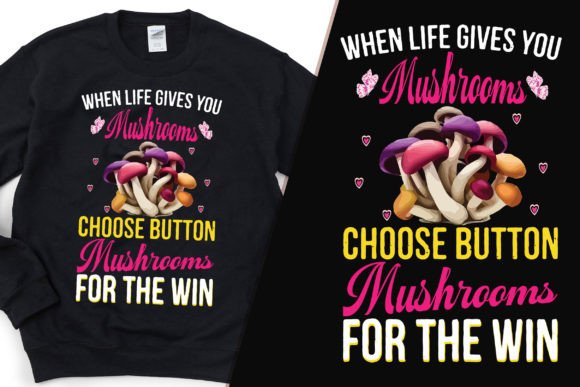
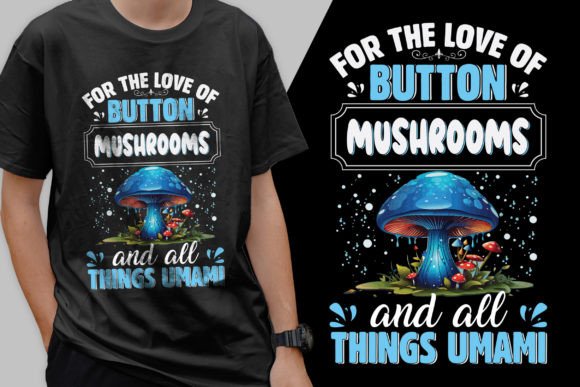
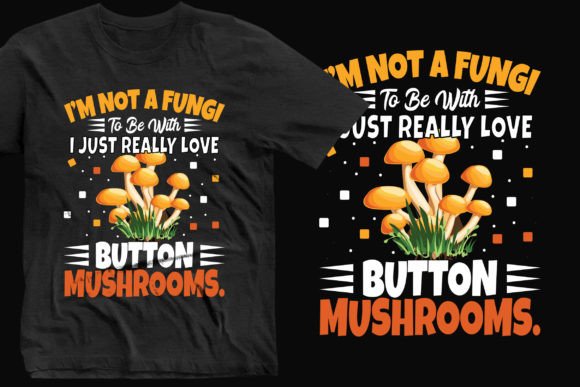
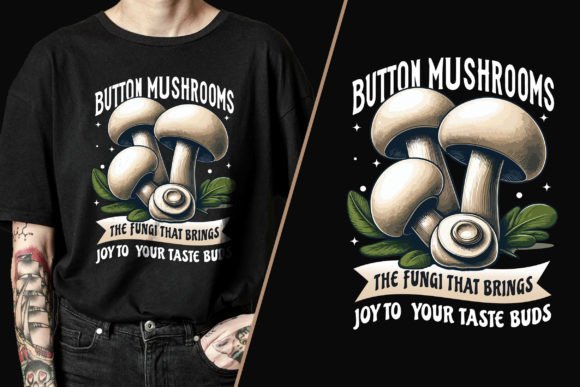
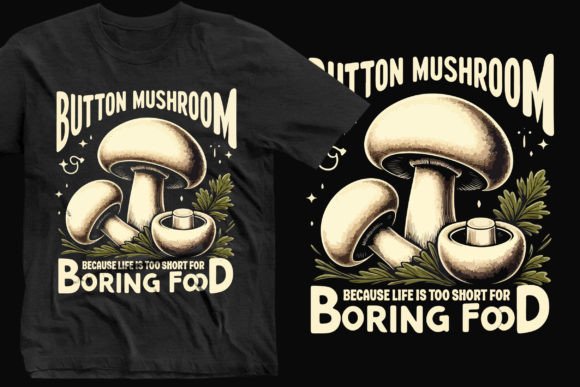
When I first saw the Button Mushrooms design, I didn’t think it was boring at all. Instead, I found it quietly clever. The idea of celebrating the humble mushroom as “boring food” has a wonderful, understated personality. It’s a design that feels nostalgic and cozy, not flashy. The layout is simple and graphic, which for an embroidery designer, is a fantastic starting point. It means clean lines, recognizable shapes, and a theme that’s universally understood. This isn’t a trendy, loud graphic; it’s a timeless classic, exactly as described, and that’s a huge advantage for creating products that feel handmade and authentic.
Where This Design Thrives in Real Projects
In practical terms, this Button Mushrooms embroidery design is a versatile asset. Its straightforward, iconic shapes translate beautifully into stitch. I immediately pictured it on a sturdy canvas tote bag for a gardener or foodie—it would look crisp and professional. On a heavyweight sweatshirt or a chef’s apron, it becomes a statement of subtle passion. For baby items or nursery decor, it’s gentle and whimsical, perfect for a little mushroom-themed blanket or a pillow cover. Because the theme is so universal, it makes for an excellent personalized gift, like a kitchen towel for a friend who loves cooking, or a custom cap for a forager. For small business owners and Etsy sellers, this design offers high giftability. It’s recognizable without being generic, which helps products stand out at craft fairs or in a boutique’s merchandise lineup.
A Specific Scenario: The Embroidered Tote for a Market Vendor
Imagine you’re creating a custom tote bag for a local farmer’s market vendor who sells wild mushrooms. Using this Button Mushrooms design on the bag’s front pocket instantly communicates their craft in a handmade, trustworthy way. The embroidery adds tangible value and brand consistency to their small shop presentation. When stitched with care, the design’s clarity engages buyers, making the product feel special and commercially viable beyond a simple graphic tee.
Considerations for Stitching Success
The clean graphic nature of this design is generally forgiving, but like any embroidery file, it requires thoughtful application. The areas that define the mushroom caps and stems—likely using satin or fill stitches—will need proper stabilizer to look sharp, especially on stretchy fabrics like t-shirts or on textured fabrics. If the design includes any tiny lettering for the “boring food” text, you must test that on scrap fabric first. Small lettering can become lost or blurry if the stitch density is too high or the hoop size is too small.
I would advise caution using this on very thin fabrics or dark fabric backgrounds without thorough testing. Contrast is key. You might need to adjust your thread colors to ensure the mushrooms pop on a dark garment. Also, on curved surfaces like caps, the simple shapes should work well, but you must inspect how the design’s details translate in a smaller hoop size. For products that need frequent washing, like baby clothes or kitchen towels, ensure your stitch density isn’t so dense that it makes the fabric stiff or prone to wear.
Enhancing Value and Professionalism
How you execute this design directly affects the perceived value of your finished product. A well-embroidered Button Mushrooms piece on a high-quality sweatshirt elevates it from basic apparel to a curated, handmade item. This builds customer trust and engagement. For creative entrepreneurs selling digital embroidery files or using the design for printable mockups, its clear, classic visuals make for excellent design assets that clients can easily envision on their own projects. The professional mood it creates is cozy and confident, not kitschy.
Practical Designer Notes Before You Hoop
- Always test the design on a scrap of your intended project fabric first. This reveals how the stitch density interacts with the fabric texture.
- Check thread color contrast thoroughly. Compare how it looks in both light and dark fabric mockups, even simple black and white sketches.
- Confirm the hoop size needed for clarity, especially if adapting it for smaller items like patches or baby clothes.
- Inspect the small details in the design preview. Are there any overly intricate corners that might need simplification for smooth stitching?
- Use the proper stabilizer for your fabric type to maintain the design’s clean shape.
- Most importantly, verify the licensing terms for this digital embroidery file before using it for commercial embroidery projects or selling finished items in your craft business. Ensure it’s cleared for both personal and commercial use.
The Final Verdict: A Quietly Powerful Asset
The Button Mushrooms Boring Food Classic Tee design, from a practical embroidery standpoint, is a winner. It’s the kind of graphic that becomes more charming and valuable once it’s physically stitched. It doesn’t shout; it invites a smile. For embroidery designers, small business owners, and makers looking for a design that translates reliably from screen to stitch, and from stitch to a sellable, giftable product, this offers a solid foundation. Its mood is universally cozy, its application is broad, and its execution, when done with care, results in a professional, engaging handmade product that feels both classic and uniquely yours.